
St․ John Visitors Guide: A Comprehensive Overview (Updated November 2‚ 2026)
St․ John‚ a tropical gem in the U․S․ Virgin Islands‚ beckons travelers with pristine beaches‚ lush landscapes‚ and vibrant culture․ This guide provides essential information
for planning an unforgettable escape to this Caribbean paradise‚ offering insights into attractions‚ activities‚ and logistical details for a seamless journey․
St․ John in the U․S․ Virgin Islands (USVI) is a captivating destination renowned for its unspoiled natural beauty and tranquil atmosphere․ Unlike its neighboring islands‚ St․ John has largely remained undeveloped‚ with over 60% of the island preserved as the Virgin Islands National Park․ This commitment to conservation ensures a pristine environment for visitors to explore․
The island offers a unique blend of Caribbean charm and American convenience‚ as it is a U․S․ territory․ Visitors can expect a familiar infrastructure alongside the laid-back island vibe․ From the moment you arrive‚ you’ll be greeted by breathtaking views‚ crystal-clear waters‚ and a sense of serenity that is hard to find elsewhere․
St․ John is perfect for those seeking an escape from the hustle and bustle of everyday life․ Whether you’re an avid hiker‚ a snorkeling enthusiast‚ or simply looking to relax on a secluded beach‚ St․ John has something to offer everyone․ Prepare to be enchanted by its natural wonders and warm hospitality!
Why Visit St․ John?
St․ John distinguishes itself as a premier Caribbean destination for numerous compelling reasons․ Primarily‚ its dedication to preserving natural beauty within the Virgin Islands National Park offers unparalleled opportunities for exploration and tranquility․ Imagine hiking to historic sugar mill ruins and discovering ancient petroglyphs – experiences unique to St․ John․

The island boasts some of the world’s most stunning beaches‚ including the iconic Trunk Bay‚ celebrated for its underwater snorkeling trail․ Beyond the beaches‚ St․ John provides a haven for diverse marine life‚ making it a paradise for snorkelers and divers eager to interact with extraordinary flora and fauna․
Furthermore‚ St․ John offers a more relaxed and intimate experience compared to more developed islands․ Mongoose Junction provides a charming shopping experience‚ while the island’s overall atmosphere encourages a slower pace of life․ It’s a place to disconnect‚ reconnect with nature‚ and create lasting memories․

Getting to St․ John
Reaching St․ John typically involves a two-step process: flying into St․ Thomas (STT) and then taking a ferry․ Alternatively‚ direct ferry service is available from Crown Bay‚ near the airport․
Transportation Options: Ferry from St․ Thomas
The ferry represents the most common and convenient method for traveling to St․ John from St․ Thomas․ Two primary ferry services operate regularly between Red Hook‚ St․ Thomas‚ and Cruz Bay‚ St․ John: the Varlack Ventures and the Boynes Ferry․ Both companies offer frequent departures throughout the day‚ typically running every 30 to 60 minutes‚ ensuring flexibility for travelers․
The ferry journey itself is a scenic 20-30 minute ride across Pillsbury Sound‚ offering stunning views of the surrounding islands and turquoise waters․ Round-trip fares are reasonably priced‚ generally around $50 for adults and slightly less for children; It’s advisable to purchase tickets in advance‚ especially during peak season‚ to secure your spot․
Red Hook is easily accessible by taxi or safari bus from Cyril E․ King Airport (STT) on St․ Thomas‚ taking approximately 30-45 minutes depending on traffic․ Upon arrival in Cruz Bay‚ St․ John‚ taxis and safari buses are readily available to transport you to your final destination‚ whether it’s a hotel‚ villa‚ or beach․
Consider the ferry schedule when planning your arrival and departure from St; Thomas to ensure a smooth transition․
Transportation Options: Flying into St․ Thomas (STT)
Cyril E․ King Airport (STT) on St․ Thomas serves as the primary gateway for visitors traveling to St․ John․ Numerous airlines offer direct flights to STT from various cities across the United States‚ as well as international connections; Upon arrival at STT‚ travelers have several options for reaching St․ John‚ with the most popular being a combination of ground and sea transportation․
Direct ferry service isn’t available from the airport․ Instead‚ visitors typically take a taxi or safari bus from the airport to Red Hook‚ a ferry terminal located on the eastern end of St․ Thomas․ This journey takes approximately 30-45 minutes‚ depending on traffic conditions․ From Red Hook‚ frequent ferry services‚ operated by Varlack Ventures and Boynes Ferry‚ provide a 20-30 minute ride to Cruz Bay‚ St․ John․
Alternatively‚ private water taxi services are available for a more direct‚ albeit more expensive‚ transfer from the airport or other locations on St․ Thomas directly to St․ John․ Pre-booking these services is highly recommended‚ especially during peak travel seasons․ Remember to factor in travel time between the airport and Red Hook when planning your itinerary․
Getting Around St․ John: Rental Cars
Renting a car provides the greatest flexibility for exploring St․ John’s diverse landscapes and secluded beaches․ However‚ it’s crucial to understand the island’s unique driving conditions․ Roads are narrow‚ winding‚ and often steep‚ requiring cautious driving and familiarity with navigating hills․ Four-wheel drive vehicles are recommended‚ though not always essential‚ especially if you plan to venture off the main roads․
Several rental car agencies operate on St․ John‚ primarily located near Cruz Bay․ Booking in advance‚ particularly during peak season‚ is highly advisable to secure a vehicle․ Be prepared for higher rental rates compared to mainland US locations․ Remember that St․ John drives on the left side of the road‚ which can take some adjustment for visitors accustomed to right-hand traffic․
Parking can be limited at popular beaches and trailheads‚ so arriving early is recommended․ Respect local driving customs and be mindful of pedestrians and wildlife․ While a rental car offers independence‚ consider alternative transportation options if you’re uncomfortable with challenging road conditions․
Getting Around St․ John: Taxis & Safari Buses
For visitors preferring not to drive‚ taxis and safari buses offer convenient alternatives for navigating St․ John․ Taxis are readily available‚ particularly in Cruz Bay‚ and provide direct transportation to destinations across the island․ Fares are regulated‚ but it’s always wise to confirm the cost with the driver before commencing your journey․ Expect higher taxi fares compared to larger cities․
Safari buses‚ open-air vehicles resembling converted pickup trucks‚ are a more affordable and uniquely St․ John experience․ They operate on fixed routes‚ connecting major towns and beaches‚ and offer a lively atmosphere with local music․ While schedules can be flexible‚ they provide a reliable and charming way to explore the island․
Both taxis and safari buses can be hailed on the street or found at designated stands․ Consider utilizing both options for a balanced experience – taxis for direct routes and safari buses for a more immersive‚ local feel․ Remember to have small bills available for payment‚ especially when using safari buses․
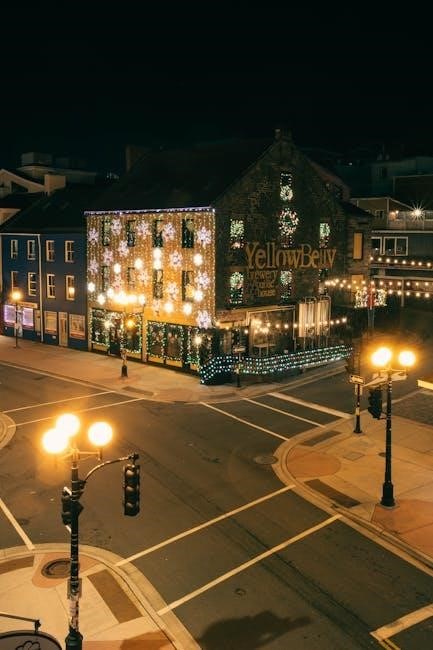
Exploring St․ John’s Natural Beauty
St․ John’s allure lies in its preserved landscapes‚ boasting the Virgin Islands National Park‚ pristine beaches like Trunk Bay‚ and captivating hiking trails such as Ram Head‚ offering unforgettable experiences․
Virgin Islands National Park: A Must-See
Virgin Islands National Park encompasses roughly 60% of St․ John‚ offering a breathtaking tapestry of tropical forests‚ secluded beaches‚ and fascinating historical ruins․ Established in 1956‚ the park protects a remarkable ecosystem and provides visitors with unparalleled opportunities for exploration and recreation․
Within the park’s boundaries‚ you can discover windswept sugar mill ruins‚ remnants of the island’s colonial past‚ and ancient petroglyphs left by the indigenous Taino people․ Hiking trails weave through diverse landscapes‚ leading to panoramic viewpoints and hidden coves․ Trunk Bay‚ renowned for its underwater snorkeling trail‚ is located within the park and consistently ranks among the world’s most beautiful beaches․
Beyond the beaches‚ the park offers opportunities for kayaking‚ birdwatching‚ and simply immersing yourself in the tranquility of nature․ Visitors can explore the park’s trails independently or join guided tours led by knowledgeable park rangers․ Remember to pack essentials like water‚ sunscreen‚ and appropriate footwear for a comfortable and safe experience․ The park is a true treasure‚ showcasing the natural and cultural heritage of St․ John․
Hiking Trails: Ram Head Trail
The Ram Head Trail is arguably St․ John’s most iconic hike‚ offering dramatic coastal scenery and rewarding panoramic views․ This moderately challenging 2-mile roundtrip trail leads to the southernmost point of the island‚ Ram Head peninsula‚ characterized by its rugged‚ rocky terrain and windswept beauty․
The trail begins near Salt Pond Bay and winds along the coastline‚ passing through dry shrubland and offering glimpses of secluded beaches․ Hikers should be prepared for some rocky sections and moderate elevation gain․ Sturdy hiking shoes are highly recommended․ As you ascend‚ the views become increasingly spectacular‚ culminating in a breathtaking vista of the Caribbean Sea and surrounding islands․
Ram Head is a fantastic spot for spotting seabirds and enjoying the tranquility of nature․ Be sure to bring water‚ sunscreen‚ and a hat‚ as there is limited shade along the trail․ The hike typically takes 1․5 to 2․5 hours to complete‚ depending on your pace․ It’s a truly unforgettable experience for nature lovers and adventure seekers visiting St․ John․
Beaches: Trunk Bay – Underwater Snorkeling Paradise
Trunk Bay‚ located within the Virgin Islands National Park on St․ John’s North Shore‚ consistently ranks among the world’s most beautiful beaches․ Its pristine white sand‚ crystal-clear turquoise waters‚ and lush surrounding hills create a postcard-perfect setting․ However‚ Trunk Bay’s true allure lies beneath the surface․
An underwater snorkeling trail‚ marked by buoys and informational plaques‚ guides visitors through a vibrant coral reef teeming with colorful fish․ This makes it an ideal location for both beginner and experienced snorkelers․ Rental equipment‚ including masks‚ snorkels‚ and fins‚ is readily available on the beach․
Beyond snorkeling‚ Trunk Bay offers calm waters perfect for swimming and sunbathing․ Facilities include restrooms‚ showers‚ and a snack bar․ Due to its popularity‚ Trunk Bay can get crowded‚ especially during peak season․ Arriving early in the morning is recommended to secure a good spot and enjoy the beach’s tranquility․ A small entrance fee applies‚ contributing to the park’s maintenance․
Beaches: Salomon Beach – Secluded Relaxation
Salomon Beach‚ nestled on the North Shore of St․ John‚ offers a tranquil escape for those seeking solitude and natural beauty․ Unlike the more popular Trunk Bay‚ Salomon Beach remains relatively secluded‚ providing a peaceful atmosphere for relaxation and rejuvenation․ Access requires a short‚ slightly rugged drive followed by a brief walk‚ deterring large crowds․
The beach itself boasts soft‚ white sand and calm‚ clear waters‚ perfect for swimming and sunbathing․ The surrounding landscape is characterized by lush vegetation and rocky outcrops‚ creating a picturesque backdrop․ Salomon Beach is also an excellent spot for snorkeling‚ with vibrant coral reefs and diverse marine life just offshore․
Visitors often report spotting sea turtles and rays while swimming․ As a more remote location‚ Salomon Beach lacks the amenities found at more developed beaches; therefore‚ it’s advisable to bring your own water‚ snacks‚ and beach essentials․ Embrace the opportunity to disconnect and immerse yourself in the unspoiled beauty of this hidden gem․
Beaches: Francis Bay – Calm Waters & Wildlife

Francis Bay‚ located on the eastern end of St․ John‚ is renowned for its exceptionally calm waters and abundant wildlife‚ making it a favorite among families and nature enthusiasts․ The bay’s sheltered location provides gentle waves‚ ideal for swimming‚ kayaking‚ and paddleboarding‚ even for beginners․
The shallow waters and seagrass beds attract a variety of marine life‚ including sea turtles‚ stingrays‚ and colorful fish․ Francis Bay is a prime location for observing these creatures in their natural habitat․ Birdwatchers will also appreciate the diverse avian species that frequent the area‚ particularly along the shoreline․
The beach itself is a long‚ crescent-shaped stretch of white sand‚ offering ample space for relaxation and recreation․ While Francis Bay offers a more laid-back atmosphere than some of St․ John’s busier beaches‚ it still provides convenient access and parking․ Pack a picnic and enjoy a day immersed in the tranquility and natural wonders of this beautiful bay․

Beaches: Little Lameshur Bay – Historic & Scenic
Little Lameshur Bay offers a unique blend of history‚ natural beauty‚ and tranquility‚ setting it apart from other beaches on St․ John․ Nestled within Virgin Islands National Park‚ this picturesque bay is steeped in the island’s past‚ featuring well-preserved sugar mill ruins and intriguing petroglyphs carved by the indigenous Taino people․
Visitors can explore the remnants of the historic sugar plantation‚ imagining life during a bygone era․ The petroglyphs‚ ancient rock carvings‚ provide a fascinating glimpse into the island’s pre-Columbian history․ Beyond its historical significance‚ Little Lameshur Bay boasts stunning scenery‚ with crystal-clear waters and lush green hillsides․

The bay is ideal for snorkeling‚ offering opportunities to discover vibrant coral reefs and diverse marine life․ Its sheltered location provides calm waters‚ perfect for swimming and kayaking․ Little Lameshur Bay is a quieter‚ more secluded beach‚ offering a peaceful escape for those seeking a connection with nature and history․
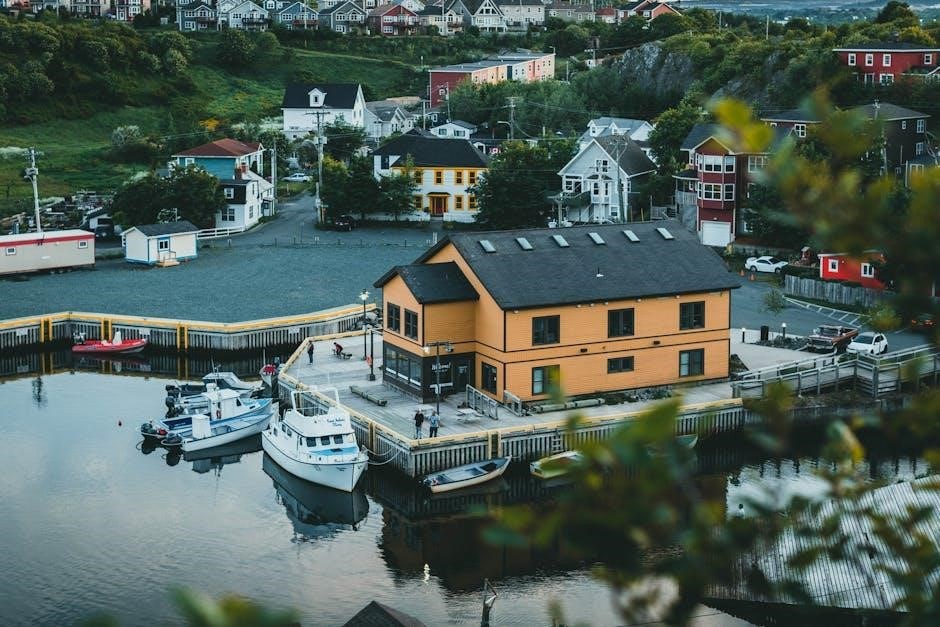
Activities & Attractions
St․ John presents a wealth of experiences‚ from exploring underwater life through snorkeling and diving at Trunk Bay‚ to discovering historical sites like sugar mill ruins and ancient petroglyphs within the park․
Snorkeling & Diving: Exploring Underwater Life
St․ John is renowned as a premier destination for snorkeling and diving enthusiasts‚ boasting an incredibly diverse and vibrant underwater ecosystem․ The crystal-clear waters surrounding the island teem with colorful coral reefs‚ playful fish‚ and fascinating marine life‚ offering unforgettable experiences for all skill levels․
Trunk Bay‚ consistently ranked among the world’s most beautiful beaches‚ provides an exceptional snorkeling experience with its underwater snorkeling trail․ Beyond Trunk Bay‚ numerous other locations offer incredible opportunities․ Explore the reefs at Salomon Bay for a more secluded experience‚ or venture to Francis Bay to encounter calm waters and abundant wildlife․ For experienced divers‚ deeper sites reveal dramatic underwater formations and larger marine species․
Several local operators offer snorkeling tours‚ scuba diving excursions‚ and even snuba adventures‚ catering to both beginners and certified divers․ Equipment rentals are readily available‚ and guided tours provide valuable insights into the local marine environment․ Remember to practice responsible snorkeling and diving by avoiding contact with coral and respecting the delicate ecosystem․
Visitors can interact with extraordinary flora and fauna‚ creating lasting memories of St․ John’s underwater paradise․

Historical Sites: Sugar Mill Ruins & Petroglyphs
St․ John’s rich history is beautifully preserved in its numerous historical sites‚ offering a glimpse into the island’s past․ Within Virgin Islands National Park‚ visitors can journey back in time and explore the remnants of the island’s colonial era‚ particularly the well-preserved sugar mill ruins․
These evocative ruins stand as silent witnesses to the island’s plantation history‚ showcasing the ingenuity and hardship of those who once worked the land․ Hiking trails lead to these sites‚ often offering breathtaking views alongside historical insights․ Beyond the sugar mills‚ St․ John holds evidence of even earlier inhabitants․
Discover ancient petroglyphs – rock carvings created by the indigenous Taino people‚ offering a fascinating connection to the island’s pre-colonial past․ These petroglyphs provide valuable clues about the Taino culture‚ beliefs‚ and way of life․ Exploring these sites is a rewarding experience‚ blending natural beauty with cultural discovery․
Visitors can hike to windswept ruins and see the ancient carvings‚ cooling off in the shade while learning about St․ John’s captivating heritage․
Shopping in St․ John: Mongoose Junction
Mongoose Junction is St․ John’s premier shopping destination‚ offering a delightful blend of boutiques‚ art galleries‚ and restaurants․ This vibrant open-air complex provides a unique shopping experience‚ distinct from typical tourist traps․ Here‚ you’ll find a curated selection of locally crafted goods‚ designer clothing‚ jewelry‚ and unique souvenirs․
Explore a diverse range of shops‚ from high-end boutiques to charming local stores‚ catering to various tastes and budgets․ Discover one-of-a-kind treasures‚ including handmade jewelry‚ colorful artwork‚ and stylish apparel․ Mongoose Junction isn’t just about shopping; it’s a social hub․
Enjoy a leisurely lunch or a refreshing drink at one of the many restaurants and cafes nestled within the complex․ The atmosphere is lively and inviting‚ making it a perfect place to spend an afternoon browsing and soaking up the island vibes․ It’s a convenient spot to find gifts and mementos․
With its convenient location and diverse offerings‚ Mongoose Junction is a must-visit for any shopper on St․ John․
Planning Your Trip
St․ John requires thoughtful preparation for an optimal experience․ Consider accommodation‚ the ideal visiting season‚ and recent tourism updates from Commissioner Jennifer Matarangas-King for a smooth‚ enjoyable vacation․
Accommodation Options: Hotels & Villas
St․ John presents a diverse range of lodging choices‚ catering to various preferences and budgets․ From intimate boutique hotels nestled in Cruz Bay to luxurious villas perched on hillside slopes‚ visitors will find suitable options․ Caneel Bay‚ a renowned resort‚ offers a secluded and upscale experience‚ while smaller hotels provide a more personalized atmosphere․
Villas are particularly popular‚ offering privacy‚ space‚ and often stunning views․ These range from cozy one-bedroom retreats to expansive estates ideal for families or groups․ Many villas come equipped with full kitchens‚ private pools‚ and outdoor living areas‚ enhancing the island experience․ Several rental agencies specialize in St․ John villa rentals‚ providing assistance with booking and property management․
For budget-conscious travelers‚ guesthouses and smaller inns offer comfortable accommodations at more affordable rates․ Booking in advance is highly recommended‚ especially during peak season‚ to secure your preferred lodging and potentially benefit from early-bird discounts․ Consider proximity to beaches‚ restaurants‚ and attractions when selecting your accommodation to maximize convenience during your stay․
Best Time to Visit St․ John
Determining the ideal time to visit St․ John depends on your priorities regarding weather‚ crowds‚ and pricing․ The peak season‚ from December to April‚ boasts the most favorable weather – warm‚ sunny days and lower humidity – but also attracts the highest number of tourists and premium rates for accommodations and activities․
Shoulder seasons‚ May-June and September-November‚ offer a sweet spot with pleasant weather‚ fewer crowds‚ and potentially lower prices․ While there’s a slightly increased chance of rain during these months‚ showers are typically brief and followed by sunshine․ Hurricane season officially runs from June to November‚ with the highest risk between August and October‚ so travel insurance is advisable․
For those seeking the best deals and willing to risk occasional showers‚ the off-season (July-August) can be a viable option․ Regardless of when you choose to visit‚ St․ John’s tropical climate ensures warm temperatures year-round‚ making it a delightful destination for a Caribbean escape․
USVI-Africa Economic Summit & Cultural Exchange
In November 2026‚ St․ John and the wider U․S․ Virgin Islands hosted a significant event: the USVI-Africa Mini Summit‚ fostering deeper economic and cultural ties with Ghana and other African nations․ This initiative‚ spearheaded by Governor Albert Bryan and attended by government and business leaders‚ signaled a commitment to exploring collaborative opportunities․
The summit focused on potential partnerships in tourism‚ renewable energy‚ agriculture‚ and technology․ Discussions centered around establishing direct trade routes‚ investment opportunities‚ and knowledge exchange programs․ Beyond economic benefits‚ the summit highlighted the shared heritage and cultural connections between the Virgin Islands and Africa․
Cultural exchange programs‚ including artistic performances and educational initiatives‚ were integral to the summit’s agenda․ This event represents a pivotal moment for the USVI‚ aiming to diversify its economy and strengthen international relationships․ Visitors during this period may experience a heightened sense of cultural vibrancy and engagement within the community;
Recent Tourism Developments & Commissioner Updates
St․ John’s tourism sector continues to evolve‚ with ongoing efforts to enhance visitor experiences and promote sustainable practices․ Recent developments include upgrades to park facilities within the Virgin Islands National Park‚ ensuring preservation of the island’s natural beauty for future generations․
Jennifer Matarangas-King assumed the role of Tourism Commissioner in January 2026‚ pledging a community-centered approach to tourism growth․ Her focus is on responsible tourism that benefits local businesses and residents while preserving the island’s unique character․ Commissioner Matarangas-King has emphasized collaboration with stakeholders to address challenges and capitalize on opportunities․
Current initiatives include promoting eco-tourism activities‚ supporting local artisans and businesses‚ and improving infrastructure to accommodate increasing visitor numbers․ The Commissioner’s office is also actively engaged in marketing campaigns to attract diverse travelers and showcase St․ John’s distinct appeal․ These efforts aim to solidify St․ John’s position as a premier Caribbean destination․
St․ John Webcams & Local Resources
Stay connected and informed about St․ John with a variety of online resources․ Several webcams offer live views of the island’s stunning beaches and harbors‚ allowing you to check conditions before your visit or simply enjoy the scenery remotely․ Patagon Charters provides access to some of the favorite St․ John webcams‚ offering a glimpse of paradise․
For detailed information on snorkeling spots‚ including Trunk Bay‚ and a comprehensive St․ John shopping guide‚ numerous websites and blogs cater to visitors․ These resources provide valuable insights into local businesses‚ hidden gems‚ and must-see attractions․
The Virgin Islands National Park website ([https://www․nps․gov/viis/](https://www․nps․gov/viis/)) is an essential resource for park information‚ trail maps‚ and ranger-led programs․ Local tourism websites and social media channels also offer up-to-date information on events‚ activities‚ and travel advisories․ Utilize these tools to plan a seamless and enriching experience on St․ John․